

Palazzo Borea d’Olmo is a historic palace on Via Matteotti, Sanremo’s main street. Its late-medieval origins, Baroque appearance and sculpted portals make it a notable stop in the city centre, while its atrium and main staircase have set public access times.
- Location: Via Matteotti 143, Sanremo
- Architectural history: a late-medieval core with a Baroque appearance shaped in the 17th and 18th centuries
- Public access: the atrium and main staircase are open on recurring dates
- Museum: the Civic Museum collections are now at Palazzo Nota
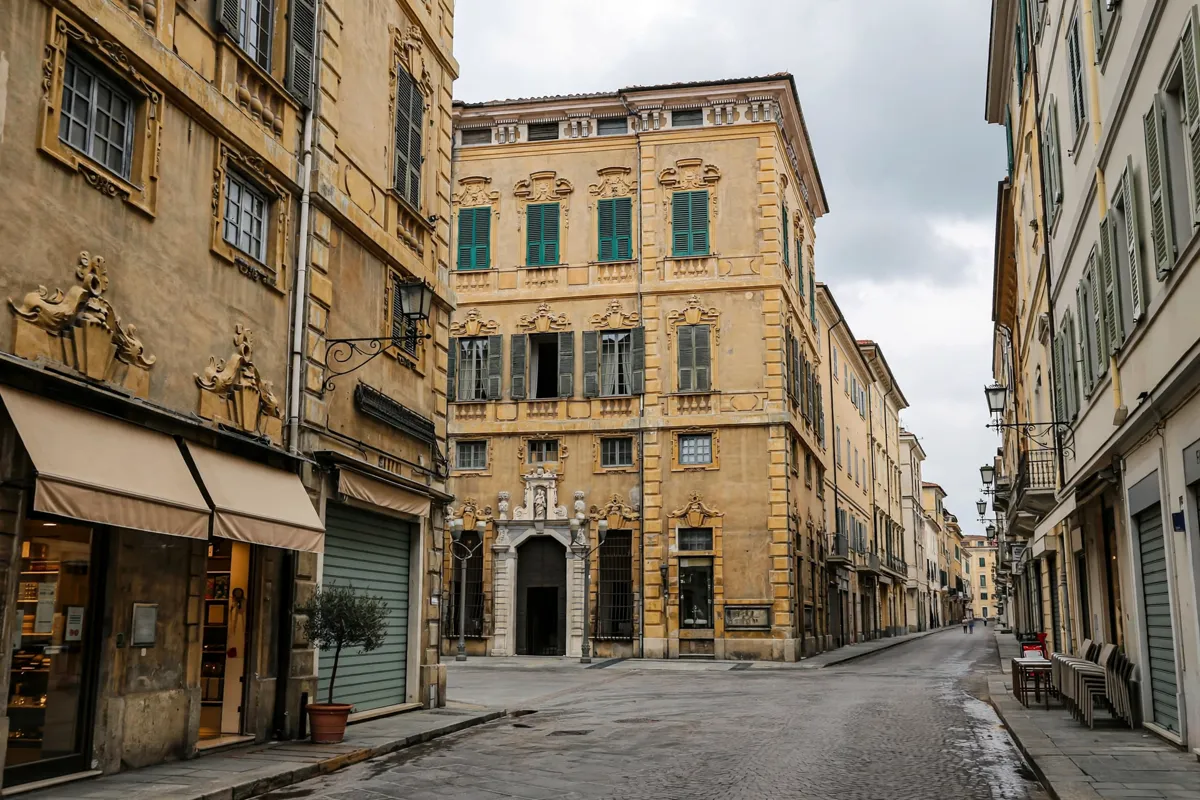
Where Palazzo Borea d’Olmo stands
Palazzo Borea d’Olmo fronts Via Matteotti, Via Cavour and Piazza Borea d’Olmo in central Sanremo. Its address is Via Matteotti 143, 18038 Sanremo, placing the palace directly on the city’s main street.
The palace’s three street-facing sides give it a presence across the adjoining square and streets. The Comune di Sanremo describes Piazza Borea d’Olmo as one of the city’s main squares and says it is accessible to disabled visitors. The Sanremo city centre guide covers the area’s streets, sights and getting around.
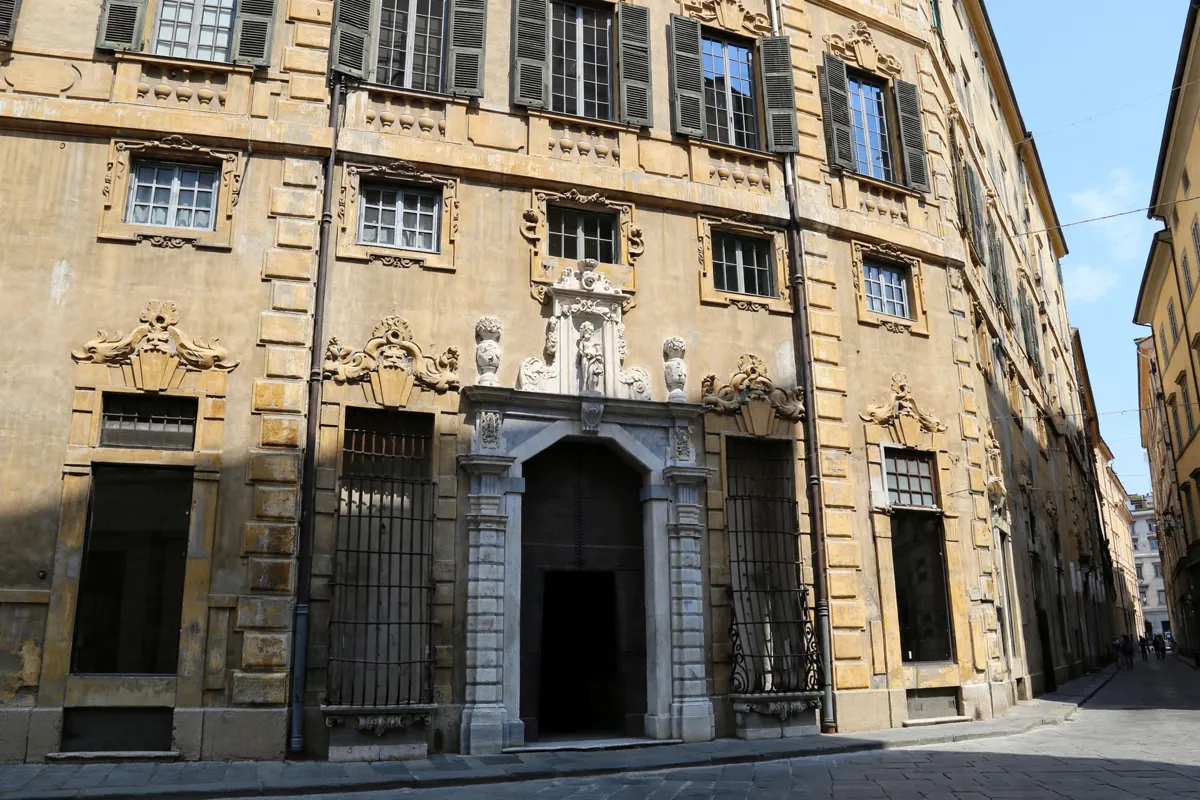
The palace’s historic character
The palace combines a late-medieval core with a Baroque exterior developed between the 17th and 18th centuries. It served as the residence of the Borea d’Olmo family, which the Ministry of Culture describes as Venetian in origin.
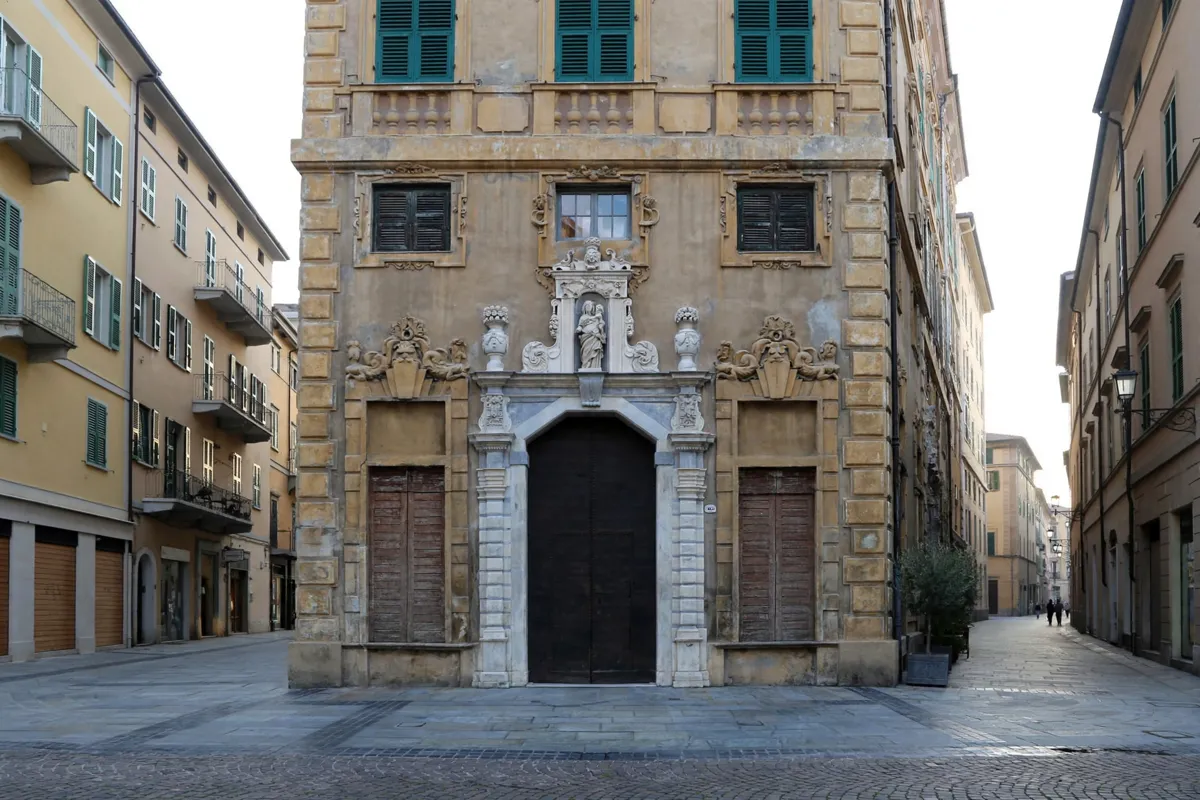
Marble portals on the south and west façades are topped by statues of the Virgin and Child and Saint John the Baptist. The Ministry attributes the statues to Fra Giovanni da Montorsoli (1507–1563).
Inside, the monumental entrance atrium has marble columns and balustrades, a short staircase and vaulted spaces. Late-17th-century frescoes by Giovanni Battista Merano decorate the hall vaults, while Maurizio Carrega (1737–1818) is credited with decorative work in the museum rooms.
Collections and public access
Palazzo Borea d’Olmo is not the current home of Sanremo’s Civic Museum collections. The Comune di Sanremo says they moved to Palazzo Nota at the end of 2016; the museum began as an archaeological museum in 1972 and added an art gallery and historical section in 1988.
The Liguria Regional Secretariat for the Ministry of Culture gives recurring public access to the palace atrium and main staircase on the 12th of each month, on 13 October for the patronal festival, and from 25 December to 2 January. These dates concern access to those areas, not a return of the Civic Museum collections.
Opening information can vary across the Ministry’s palace page, which gives different schedules for July and August and the rest of the year. Check the Ministry of Culture’s official site before you go. Its contact number is 0184 531942, and its email address is ufficio.museocivico@comunedisanremo.it.
How do you get from Hotel Corso to Palazzo Borea d’Olmo?
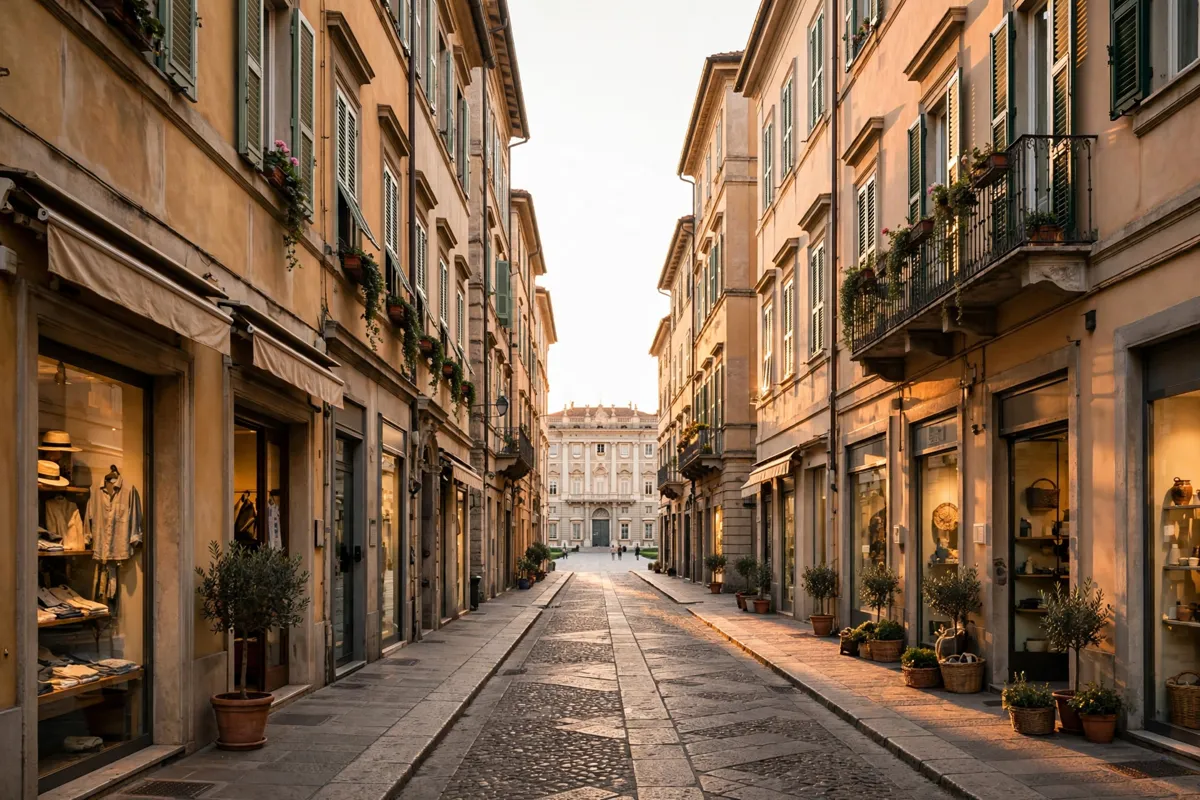
The walk from Hotel Corso to Palazzo Borea d’Olmo takes about 20 minutes; the drive takes about 5 minutes. The palace sits on Via Matteotti, so once you reach the central street, look for its façades along Via Matteotti, Via Cavour and Piazza Borea d’Olmo.
For your Sanremo visit, this two-star hotel in San Remo is about 20 minutes on foot from the palace.
Other nearby central sights
Teatro Ariston is a cultural landmark in Sanremo, and a document from Agenzia del Demanio describes it as a few metres from Palazzo Borea d’Olmo. That makes the theatre a natural nearby point of interest to combine with a look at the palace’s street-facing architecture.
If your main interest is the city’s museum collections, the Museo Civico di Sanremo guide covers the museum now based at Palazzo Nota. Keep the palace visit and museum visit distinct: the collections left Palazzo Borea d’Olmo, while access to its atrium and staircase follows the recurring schedule.
FAQs
Is Palazzo Borea d’Olmo the home of Sanremo’s Civic Museum?
No. The Civic Museum collections moved to Palazzo Nota at the end of 2016.
Can you visit the palace interior?
The Ministry’s regional secretariat gives public access to the atrium and main staircase on recurring dates. Check the Ministry of Culture’s official site for current access and opening details.
What architectural details should you look for?
From outside, note the marble portals and statues on the south and west façades. The entrance atrium is known for its marble columns, balustrades and vaulted spaces.